
Why Most OEM Cost Savings Fail After Quoting
And Why Cost Control Works Best When It’s Engineered In Many OEM cost-reduction initiatives look successful on paper. Unit prices come down. Quotes are competitive. Procurement targets are met. At the RFQ stage, everything appears to be moving in the right direction. And then, quietly, those savings begin to erode.
The Manufacturing Decisions You Can’t Undo And Why They’re Usually Made Too Early
In manufacturing, the most expensive mistakes rarely look like mistakes when they are made. They usually appear as reasonable assumptions, temporary shortcuts, or “good enough for now” decisions taken early in a project—when timelines are tight, information is incomplete, and momentum matters more than precision. At the time, these choices
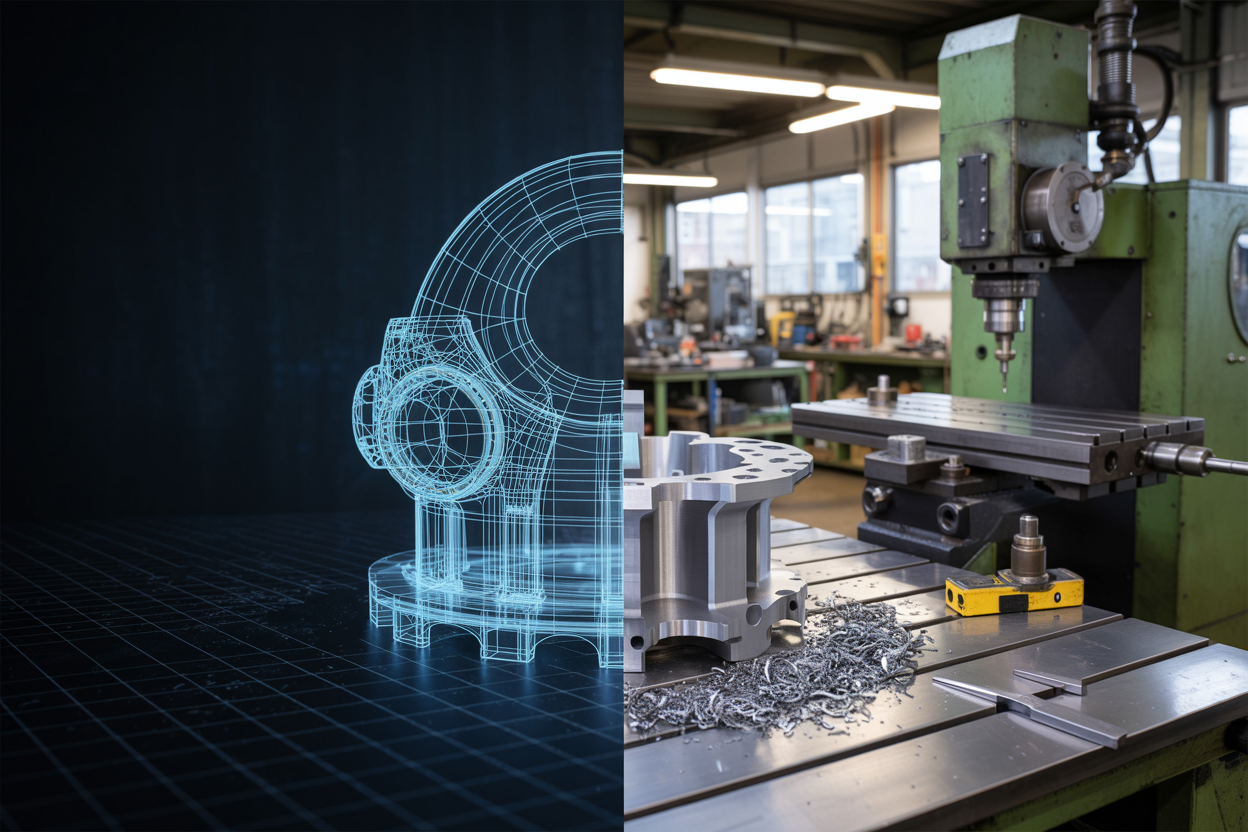
Why “Manufacturable” Designs Still Fail And What Manufacturing Teams See That CAD Never Shows
In modern product development, very few designs reach manufacturing without review.CAD models are clean. Simulations converge. Design-for-Manufacturing (DFM) reviews are completed and signed off. And yet, many of these same designs still struggle once they reach the shop floor. Parts technically meet drawing requirements but are difficult to assemble. Lead
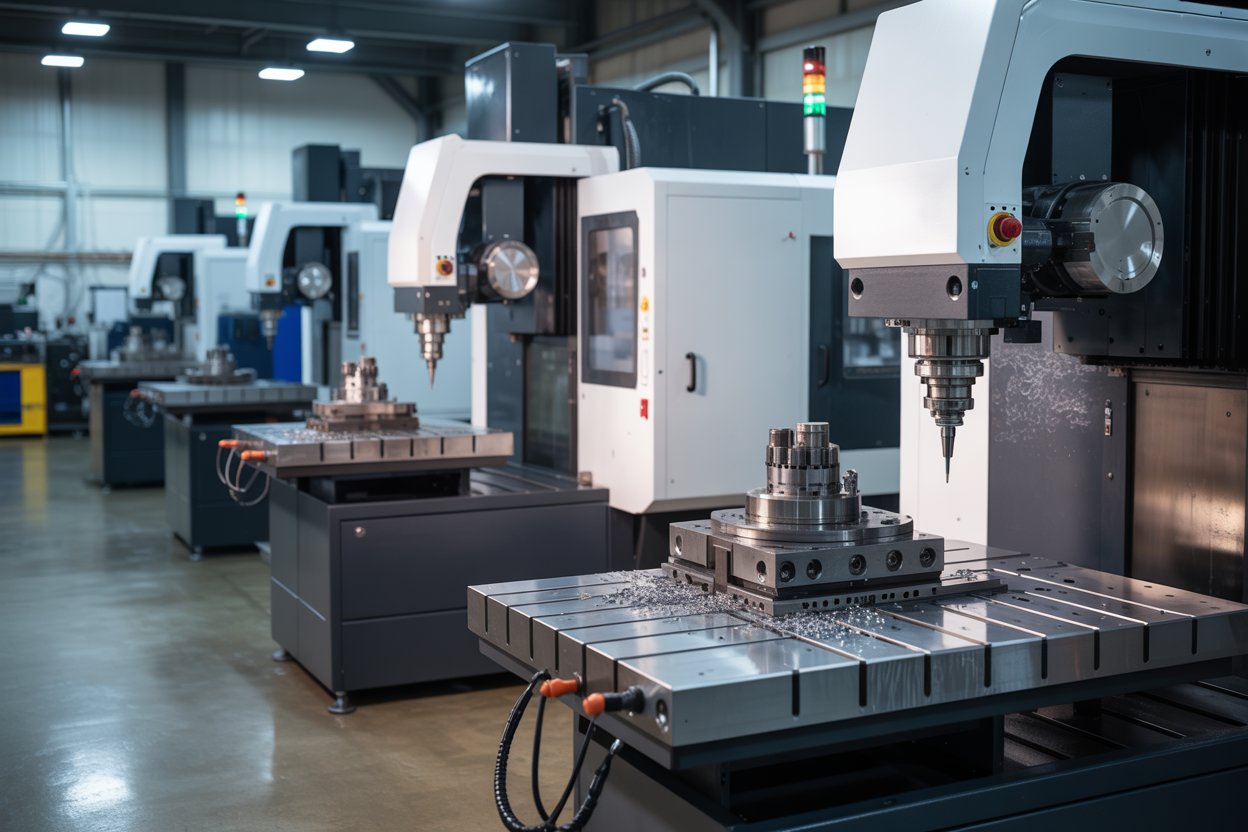
Manufacturing at the Speed of the Energy Transition: Why Agility Now Matters More Than Scale
Agile manufacturing for clean energy means producing production-intent components at low to medium volumes so hydrogen and clean-technology companies can adapt quickly, reduce capital risk, and accelerate deployment during the energy transition. For much of the past decade, clean-energy manufacturing followed a familiar script. Scale was the objective. Gigafactories, high-volume
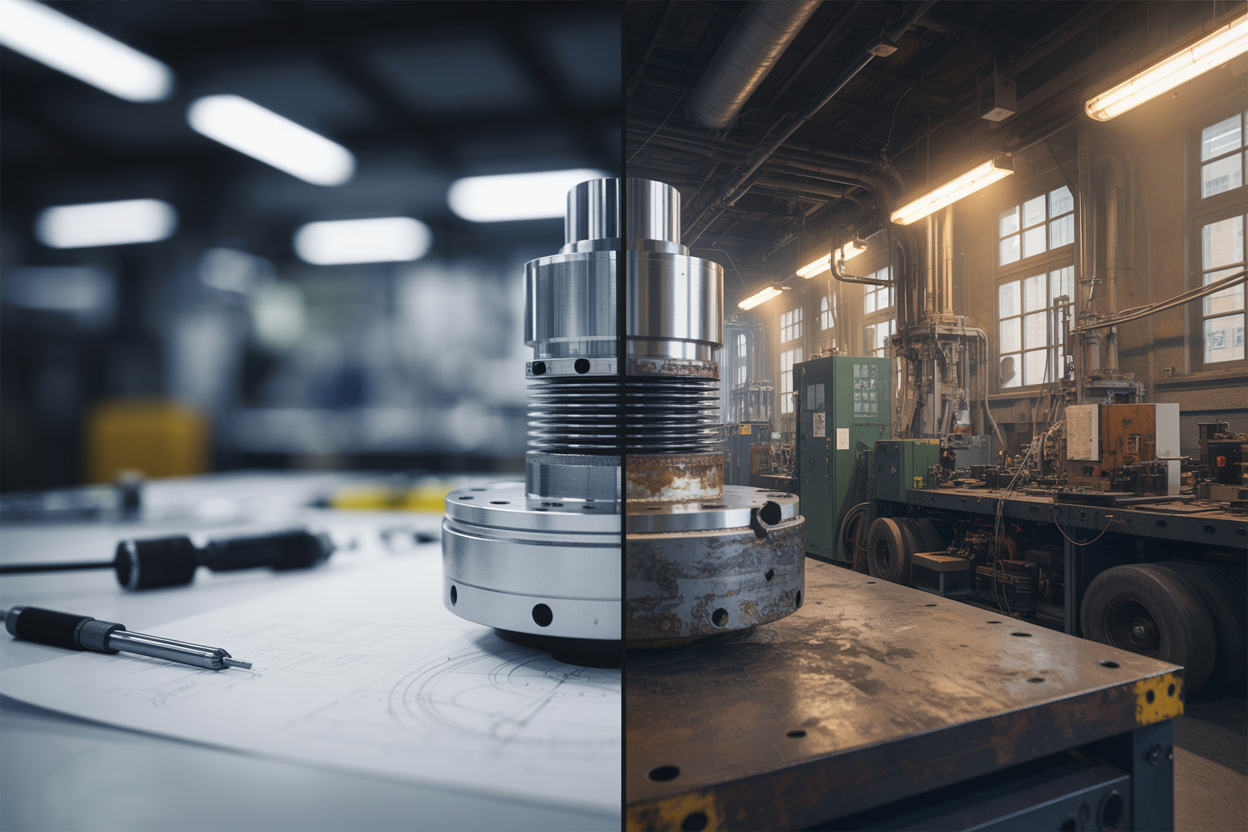
From Prototype to Field Deployment: The Hidden Manufacturing Risks That Kill Clean-Energy Hardware
The biggest risks in prototype-to-production clean-energy manufacturing rarely appear in the lab. They surface later—during scale-up, early production, or field deployment—when hidden material, tolerance, tooling, and assembly issues begin to compound. Most clean-energy hardware does not fail dramatically. It passes initial testing.It demonstrates performance in controlled environments.It secures pilot customers
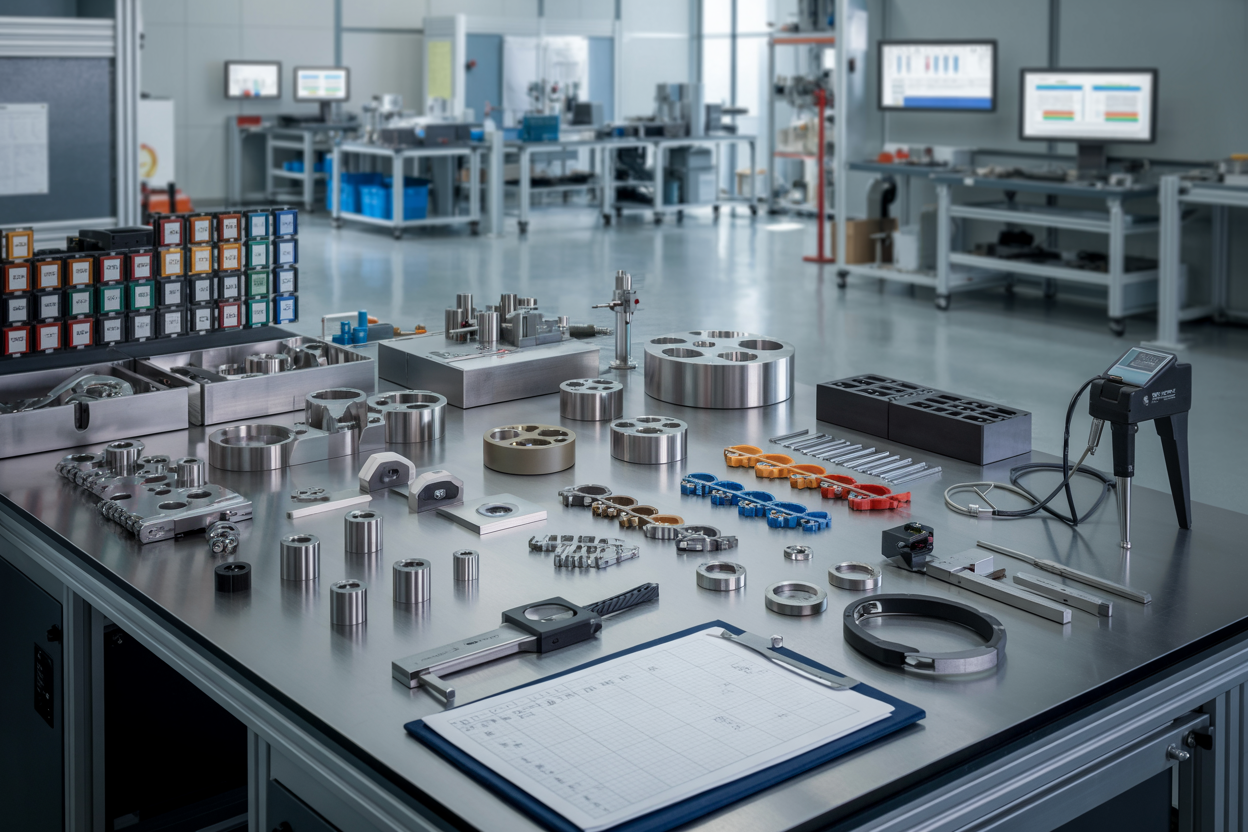
Metrics to Track During New Product Introduction: A Guide for Procurement Teams
Metrics to Track During New Product Introduction: A Guide for Procurement Teams Launching a new product isn’t just about engineering breakthroughs—it’s a test of timing, coordination, and supply chain agility. For procurement professionals, the New Product Introduction (NPI) phase is a critical window where smart decisions and close monitoring can determine the long-term success of the product. At CIMtech Green